
Everyday Investing Tech Navigator
Welcome to Everyday Investing Tech Navigator, your friendly guide to turning daily money decisions into calm, repeatable habits with practical tools, simple automation, and clear dashboards. We’ll walk through real setups, small wins, and protective guardrails so you can invest confidently, learn continuously, and still have time for life.
Start Strong: Accounts, Apps, and Safety Nets
Before chasing returns, build a foundation that feels effortless to maintain. Choose accounts you can manage on sleepy mornings, apps you enjoy opening, and security you barely notice. A reliable baseline turns momentum into progress, protects your identity, and reduces friction so your money routine becomes refreshingly predictable and quietly durable.
Scheduled Transfers and Buckets
Use a pay-yourself-first setup routed into clear buckets: long-term investing, near-term goals, and emergencies. Scheduling contributions the morning after payday prevents lifestyle creep. I added a tiny “experiments” bucket for learning moments, which scratched the curiosity itch and protected core allocations, turning impulse trades into structured, low-stakes lessons with defined budgets.
Auto-Rebalancing Without Overtrading
Pick allocation bands that trigger action only when it matters, and prefer contribution-direction rebalancing before selling. Quarterly reviews beat frantic tinkering. I set a 5% band and stopped micromanaging; results looked smoother, and my stress dropped because movements sparked measured rules, not opinions reshaped by every headline or trending chart screenshot.
Building a Five-Minute Daily Dashboard
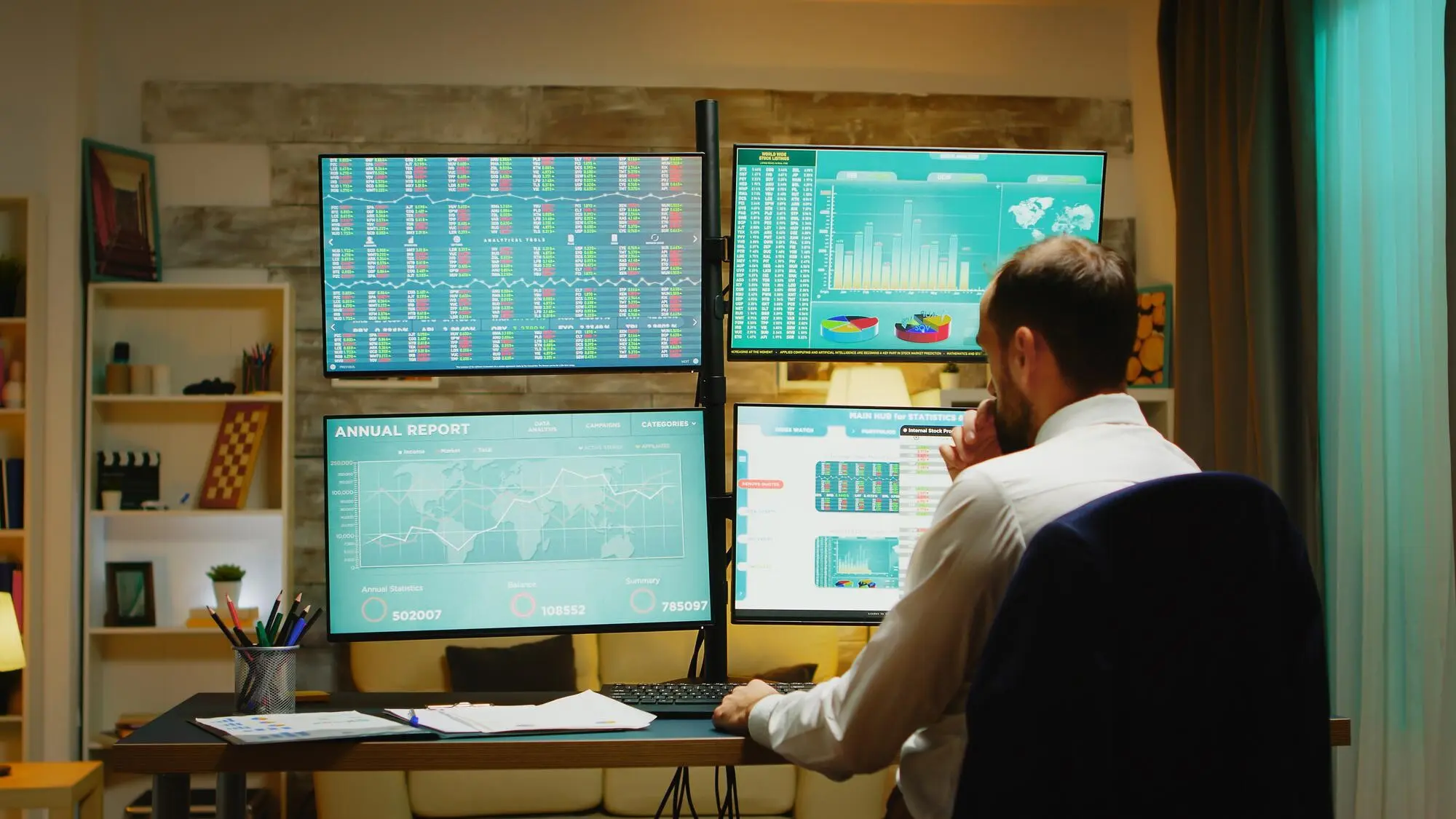
Create a morning view with market overview, portfolio drift, cash on deck, and two focus tickers. Cap it at five minutes. I added a single sentiment gauge and removed duplicative news panels; clarity improved immediately. A tiny ritual beats sprawling dashboards, because consistency turns inputs into understanding you can actually remember and reuse.
Using Screeners to Ask Better Questions
Start with simple filters: low-cost funds, diversified exposure, and liquidity you can exit. Add metrics sparingly, and document why they matter. When a screener surfaces candidates, compare methodology, not just performance. I saved three baseline presets and finally stopped reinventing criteria, which transformed scattershot curiosity into measurable, testable, decision-ready shortlists week after week.
News, Notes, and Noise Control
Curate two or three trusted sources, schedule batch reading, and take structured notes with date, thesis, and risk. I archive hot takes behind a cooling-off tag; if it still matters in two days, it graduates. This simple delay filter lowered churn dramatically, improving conviction while keeping my portfolio changes deliberately infrequent and thoughtful.
Risk, Behavior, and Calm
Returns are earned by tolerating discomfort without breaking your plan. Track drawdowns, volatility, and time-in-market, not only price. Use visuals that normalize turbulence. During 2020’s sharp decline, a disciplined, prewritten playbook spared me from panic, guiding small rebalances and preserving sleep. Calm isn’t luck; it’s prepared systems performing under pressure.

Tax-Loss Harvesting, Minus the Panic
Set a watchlist of replacement funds beforehand, note correlations, and keep a calendar for holding periods. When volatility hits, execute calmly, record cost basis details, and track the wash sale window. Consult a professional for complex cases. Prepared checklists make this surprisingly mechanical, turning market messiness into measured maintenance that compounds future flexibility.
Asset Location That Saves Future You
Place tax-inefficient holdings in tax-advantaged accounts when possible, and keep broad index funds in taxable for simplicity. Map distributions, expense ratios, and turnover to accounts deliberately. I sketched a one-page location plan and immediately reduced surprises at filing time, trading scattered rules of thumb for a coherent, repeatable structure that endures.
Smarter Orders for Quiet Execution
Use limit orders to control price, avoid illiquid times, and be wary of chasing the open. For larger trades, split orders to reduce slippage and stress. I schedule contributions mid-session, when spreads tend to be calmer. Execution discipline trims avoidable friction, keeping more focus on policy decisions rather than regrettable, rushed button taps.
Taxes, Accounts, and Order Types
Smart structure multiplies returns you already earn. Coordinate tax-advantaged accounts, mind wash sale rules, and match order types to liquidity. I learned tax-loss harvesting during a small dip and wished I had prepared sooner. A tiny bit of planning transformed hassle into habit, gently lifting after‑tax outcomes with pleasantly boring consistency.

A Living Spreadsheet You’ll Trust
Keep inputs minimal: balances, contributions, and allocation targets. Automate price updates, but audit monthly with a manual spot check. Add a one-line narrative beside changes to remember why. Over time, this becomes a mirror for your process, revealing strengths and blind spots as clearly as numbers, sparking concrete, patient improvements.
Tiny Experiments, Real Learning
Design micro-tests with clear budgets, timeframes, and success metrics. I tried a small factor tilt for one quarter, documented expectations, and compared outcomes honestly. Learning felt exciting, not risky. Experiments satisfy curiosity while safeguarding core goals, transforming abstract theories into practical, accountable insights you can either scale or gracefully retire.
All Rights Reserved.